
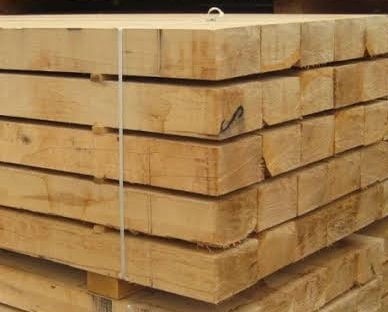
If you are using timber for construction, furniture, joinery, packaging, manufacturing or other woodworking activities, is very important to know the various pine wood grades and selection
These will contribute to whether a particular pine wood product is appropriate for the purpose.
For overseas purchasers, specification of a grading requirement can facilitate more meaningful comparability of quotations. Requests for “high quality pine wood” are insufficient to facilitate comparisons of quotations. The requirements of the project should be specified and acceptance criteria agreed upon prior to order placement.
Why Pine Wood Grades And Selection Matters
The requirements for timber are based on what the project is being used for. For example, a construction buyer might find that the size, consistency, and performance of the wood in the specific application are of most importance; whereas, a furniture maker may place a higher value on how the wood looks, the presence of knots, the way the wood has grown (grain), how well it can be machined, and whether or not it is dry enough.
In addition to being able to produce consistent sizes, packaging and manufacturing buyers are also looking for a reliable source of materials that will allow them to run their operations smoothly. Therefore, it is important to choose the proper grade based on how you plan to utilize the materials rather than choosing the most expensive sounding grade.
What Does Pine Wood Grade Tell a Buyer?
Depending upon the method of grading that is utilized, a grade may refer to the quantity and size of knots; natural imperfections in the wood; straightness; visual appeal; etc. Although there are variations in grading terms used among different suppliers, markets and purchasing criteria.
As such, a buyer cannot depend upon a grade name to provide all information regarding quality. If you are purchasing timber from outside of your country, state what qualities of the wood will be most relevant to your project and then request the vendor to show you how the proposed grade provides the required quality.
Knots and Natural Characteristics
Pine has natural characteristics such as knots and variations in grain. These do not necessarily represent defects; the determination of whether or not they are acceptable for use will depend upon the specific application and the buyer’s needs.
A buyer might choose to have less of a “busy” look when purchasing furniture, wall paneling or internal woodwork; therefore they would like to restrict the amount of knots or similar visible imperfections. On the other hand, if a buyer is using the wood for structural purposes (e.g. building), then the visual requirements of the timber are likely to be much lower.
When appearance is critical to the quality of the product, define what is considered an “acceptable” size of knot; how often a knot may appear in the product; and what part of the product the knot can be located. Reference photographs or other reference samples that have been agreed upon by both parties will assist in developing a clear understanding between both parties.
Grade and Straightness
When using lumber for various processes such as cutting, machining, assembling or installing, straightness is a critical factor. The degree to which lumber is bowed, twisted, etc., will affect how easily it can be processed.
Buyers should specify the most critical straightness and/or dimensional tolerance specifications on the purchase order. It will be especially helpful for those who produce items using a repeated process, as variations in the materials used can result in increased processing time and excessive waste.
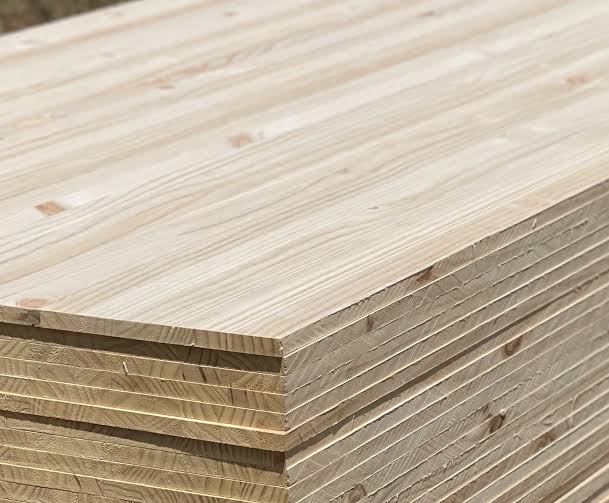
Grade for Construction Applications
When purchasing pine lumber for a construction project, the buyer must choose the correct type of pine based upon the exact application of the lumber as well as the applicable technical specifications. Prior to placing an order for the pine lumber, the buyer must specify the dimensions, grade, moisture content and other treatment specifications required for the lumber.
When discussing your requirements with your supplier, make sure you don’t automatically think a “general” furniture/appearance grade will work for a construction project, nor do you automatically assume a “construction” product will look good enough to be used as an exposed piece of furniture.
Grade for Furniture and Joinery
Manufacturers of furniture often have greater detail regarding the visual aspects and processing of their materials. Buyers will evaluate the product based upon the final product (i.e., whether it is a chair, table, etc.) and may include the following evaluation criteria: knot characteristics, grain appearance, surface quality, straightness, dimensional consistency, and moisture content. Learn more about pine uses
For furniture parts which are going to be seen once they have been finished; then the appearance of those parts could be an important consideration when choosing what type of material you want to use. However, for those structural components that will not be seen; the factors in deciding which materials to use might be different. If you can provide a drawing, cutting schedule or other written description of the final product to the supplier; this will allow them to determine exactly what type of material is needed.
Grade for Manufacturing and Packaging
The consistency of the material being processed is very important for many manufacturers and packaging producers. The reason for this is that timber has to go through a process of transformation over and over again to make up various parts. Therefore, the measurements and specifications (tolerances) may be as important as the look of the finished product.
When you are going to use the timber for sawing, machining, cutting or assembly purposes, please describe your production processes in as much detail as possible in order for us to help you determine which of the characteristics need to be emphasized.
Grade Should Be Considered With Moisture Content
Grade is but a single component of a full timber specification. The moisture content of the timber has the potential to affect its behavior throughout the production process as well as following installation, especially in furniture, joinery and interior applications.
If a buyer wants to control the amount of moisture that will be present in the lumber they purchase, they should indicate that as a separate requirement. In addition, the buyer may find it beneficial to examine the kiln dried pine product to determine if it is suitable for their application that requires controlled drying.
Grade, Dimension & Treatment
The purchase specification is used to describe what will be bought from a supplier. It includes the grade of material and any other properties which may impact the performance of the product once it has been manufactured. The purchase specification should also include the required thickness, width and length of each piece of material; the maximum allowable tolerance for each dimension; the moisture content of the material; and the type of treatment (if any) required.
Rather than simply using the term “treated pine,” please specify what type of service is expected from the treated timber and how much treatment is required. If you are ordering custom-made pine products, then Pine Wood Source can help with developing product specifications based upon the individual needs of your project.
How to Define the Quality of a Clear Pine Board.
: Practical specifications include the following;
Product Type, such as Pine Lumber, Boards and Planks, or Other Forms
Required thickness, width, and length.
Grade level or visual appearance.
The following is a list of acceptable knots and natural features.
In order to meet requirements for both defects and straightness, you will need to provide documentation showing that your products have met these criteria.
Target moisture level.
The treatment is required in those cases in which it applies.
Required quantity
Packaging standards.
The delivery of your order is subject to the destination and other delivery requirements.
If there are inspection or documentation requirements for your job, you may need to provide proof of compliance with those requirements.
Acceptance criteria must be mutually agreed upon prior to placing an order.
Timber buyers and sellers often disagree on what constitutes a “premium,” “select,” “clear,” or “high quality” product; therefore, the use of a written acceptance standard can help establish a mutual baseline for both the buyer and the seller.
If you need to inspect your product/service, determine what you are going to measure, how you plan to measure it, and when the inspection will occur. This is particularly helpful with larger international orders, since the expense associated with fixing a misunderstanding about specifications may be great.
Pine Wood Grades: Which is Best for Your Project?
To know the best pine wood grade will only depends on the type of project you want to use it for.
You have to start by making a plan on how to use the timber wood, as well as where it is going to be installed or used. In addition, identify the qualities that are most critical to you. Next, provide specifications such as dimensions, moisture content, visual characteristics (such as color), grading, and quantity needed.
Pine Wood Source offers various types of pine wood for use in building, furniture making, manufacturing, etc. To begin the process of purchasing from us, buyers may first refer to our Pine Wood Specifications page; they will then be able to submit their project needs.
Requesting pine wood as specified in your order.
Please provide us with your desired grade and specification information as well as an explanation of what you plan to use this item for. This will help us determine if the item you have requested is suitable for your application.
When requesting a quote for pine wood products, provide the product type, dimensions, grade, moisture condition, quantity and destination of the pine wood you wish to purchase from Pine Wood Source.